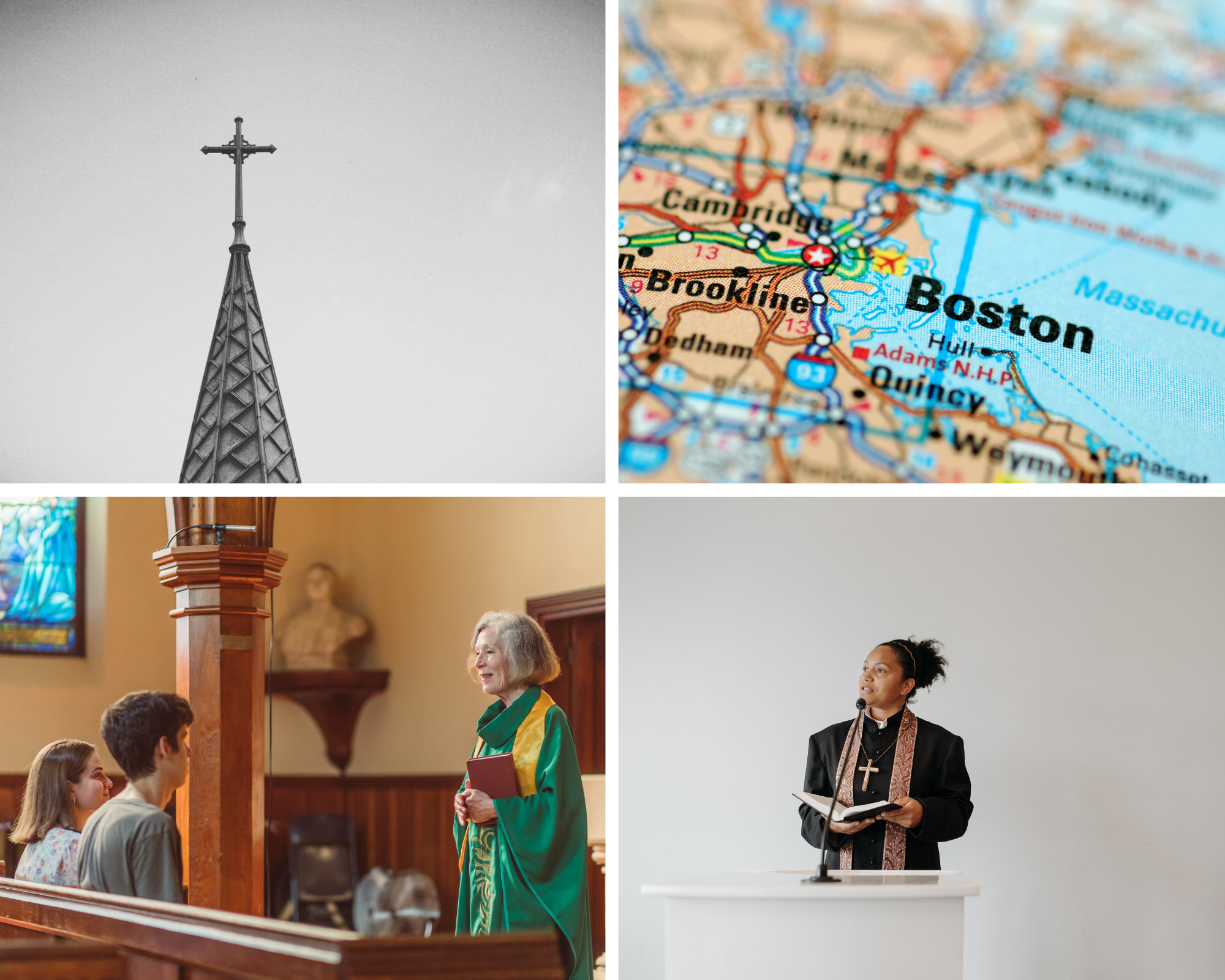

Pastoring Under Pressure
Challenges & Supports for Pastors of New Churches in the Boston Area Through a Complex Decade (2014-2024)
In the last 10 years, pastors have faced unprecedented challenges in shepherding their congregations. Even veteran pastors admitted they had never seen anything like this during their ministerial careers.
During the pandemic, almost half of pastors nationwide considered leaving full-time ministry.
What about pastors in Boston? How many hours a week do they work? What kind of support do they prefer? What type of training do they use to develop other church leaders? What questions would they like to ask other pastors?
The Emmanuel Gospel Center’s Applied Research team explored difficult questions like these in a study of pastors of new churches in the Boston area from 2014 to 2024. In “Pastoring Under Pressure,” the team analyzed key trends and critical challenges facing these leaders. The report also includes recommendations as well as reflection questions for pastors and church leaders.
This report is part of the larger 2025 Church Landscape Review, a study of newer church communities in the Boston area over 10 years. We will publish the Applied Research team’s findings in a series of reports to be released periodically throughout 2025: