

Race
Featured

Today, issues related to race are sometimes seen as “liberal” or “political” issues. As a result, some Christians have disengaged from this important conversation, and this breaks the heart of God. Racial healing is first and foremost a biblical value. This article from the Race & Christian Community team explores a Biblical theology of racial healing.

You're White, and you want to engage responsibly and respectfully on race issues. You're an evangelical, and you believe the ministry of reconciliation is part of your calling as a follower of Jesus. Where do you begin? Check out these starter resources recommended by Megan Lietz, a White evangelical committed to helping other White evangelicals on their race journey.
Follow-Up Resources

RCCI’s founding director, Megan Lietz, shares three key lessons that are forming the ministry and that could serve your own pursuits of building shalom across racial lines.

To express Jesus' love in these times, Boston White Evangelicals will want to face the realities of the city's racism. Find pathways for reflection and action, suitable for both starters and veterans in the struggle for racial understanding and reconciliation, with links to the Boston Globe Spotlight on Boston Racism.
Learn More

A compilation of resources to help White Evangelicals live a more racially just life through laying a theological foundation, understanding the problem, and doing something about it.

As caregivers, mentors, and church family, we need to help children understand the realities of racism and develop a positive racial identity from a Biblical perspective through exposing them to race-related conversations.

Boston has a long and complicated racial history, which has often gone untold. The RCCI team shares some resources that can help us better learn our past as we work to build a more just and equitable future for our city.

Our country is deeply divided. What part can we play in healing the nation's racial wounds? And where do we start?
More Resources
Civic engagement can feel overwhelming—especially if no one in your faith community ever modeled it. Here's what one white evangelical learned by jumping in anyway.
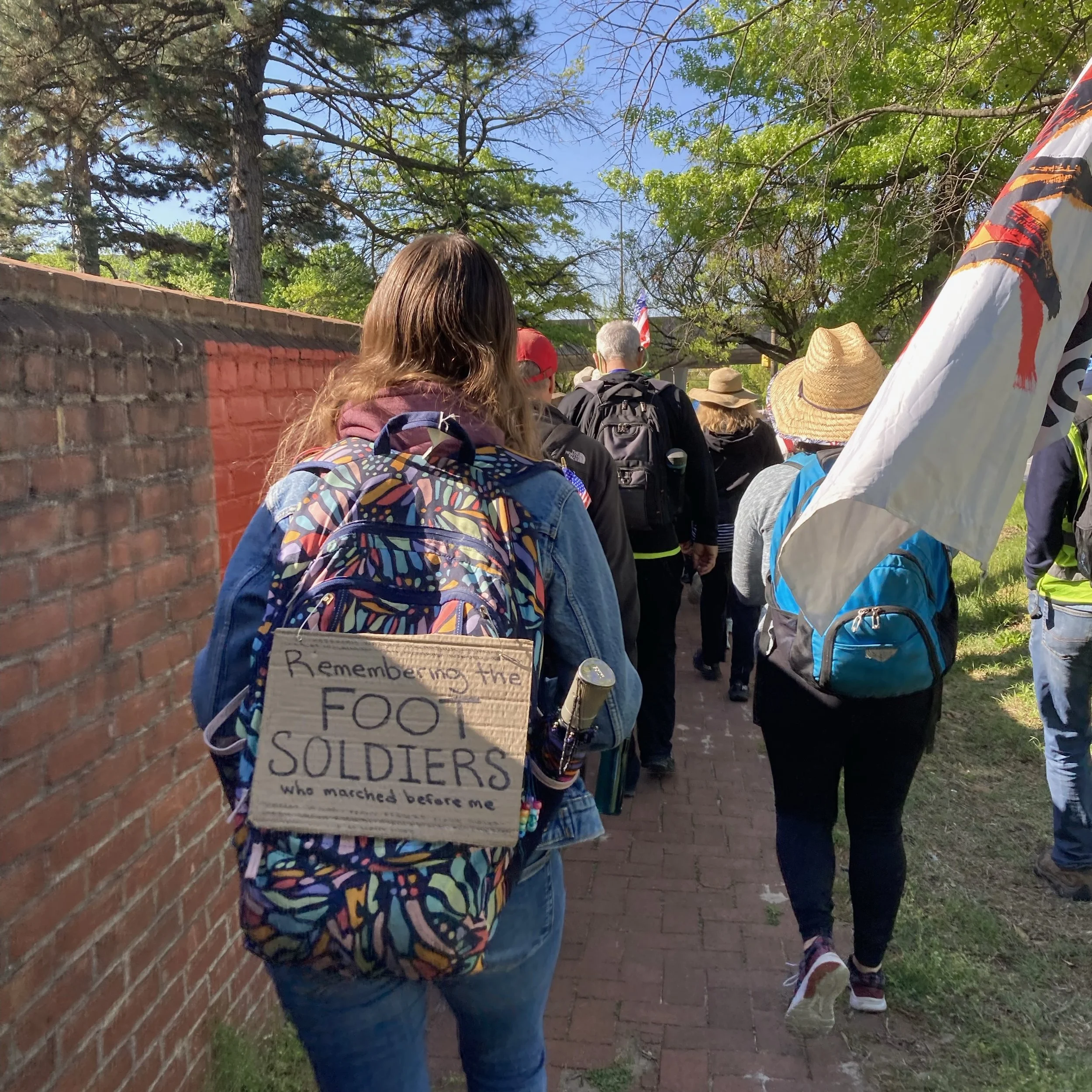
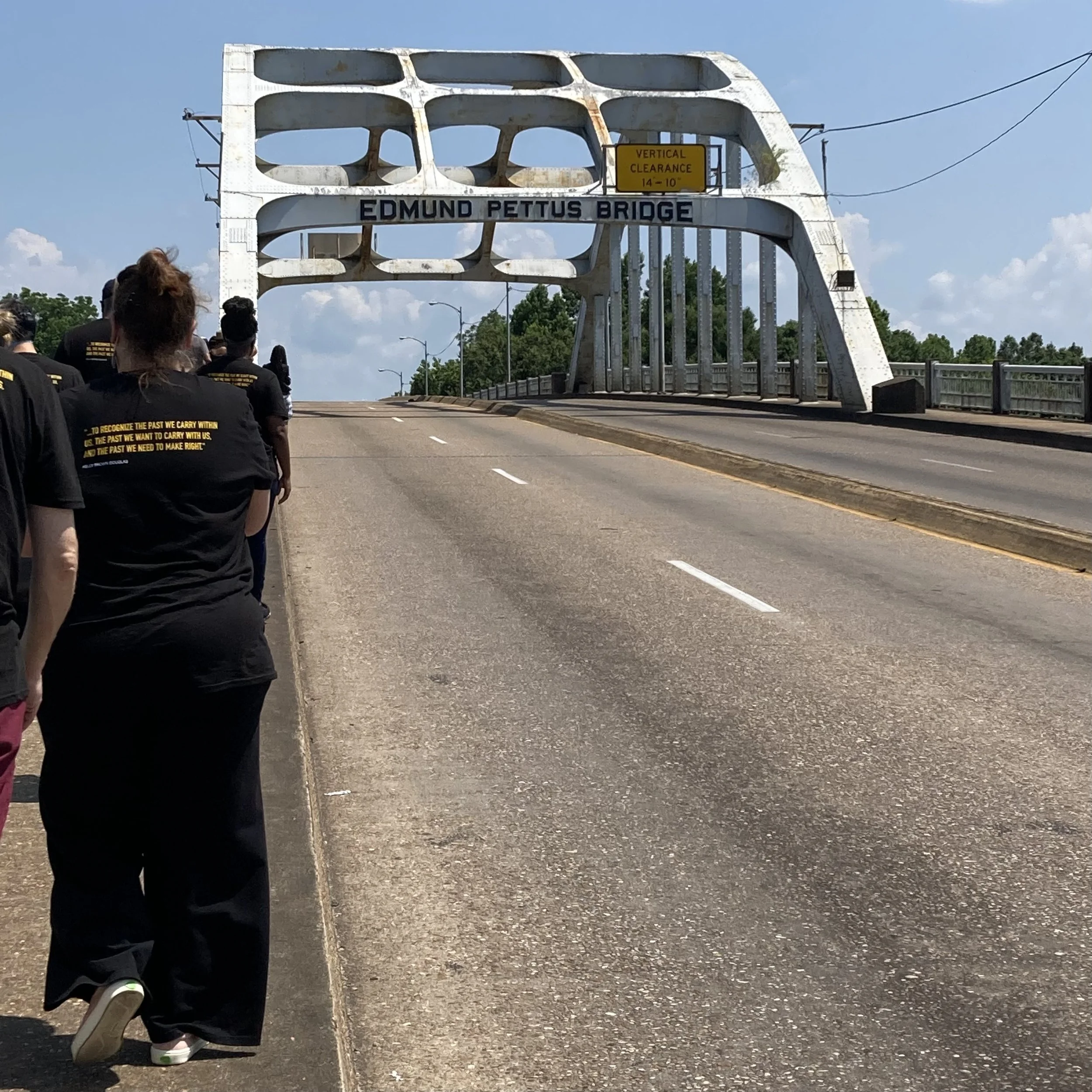
When you march 160 miles, you quickly discover how much you need other people — and how hard it is to let go of control. For white Christians working toward racial justice, that discomfort isn't an obstacle. It’s the point.

Many white Christians in evangelical churches feel isolated in their desire to discuss race, often encountering silence or pushback from their communities. Engaging with racial issues from a biblical perspective is essential for fostering unity and effectively following Jesus in a diverse world.

The Church in Boston needs to wrestle with our region’s involvement in the Transatlantic Slave Trade. This resource list provides a wealth of material to grow in awareness of how the legacy of slavery continues to impact our communities.

Despite good intentions, white people tend to run ahead and take the lead, taking action that is uninformed, misdirected, and not well received by BIPOC communities. How can they learn to adopt a role that better reflects the redemptive power dynamics of God’s kingdom?

We can have a strong ideological commitment without corresponding actions. This disparity can be seen in how I collaborated across racial lines in the early years of RCCI’s ministry.


A new way of thinking helped launch me into ministry. It also changed me in the process.
RCCI’s founding director, Megan Lietz, shares three key lessons that are forming the ministry and that could serve your own pursuits of building shalom across racial lines.
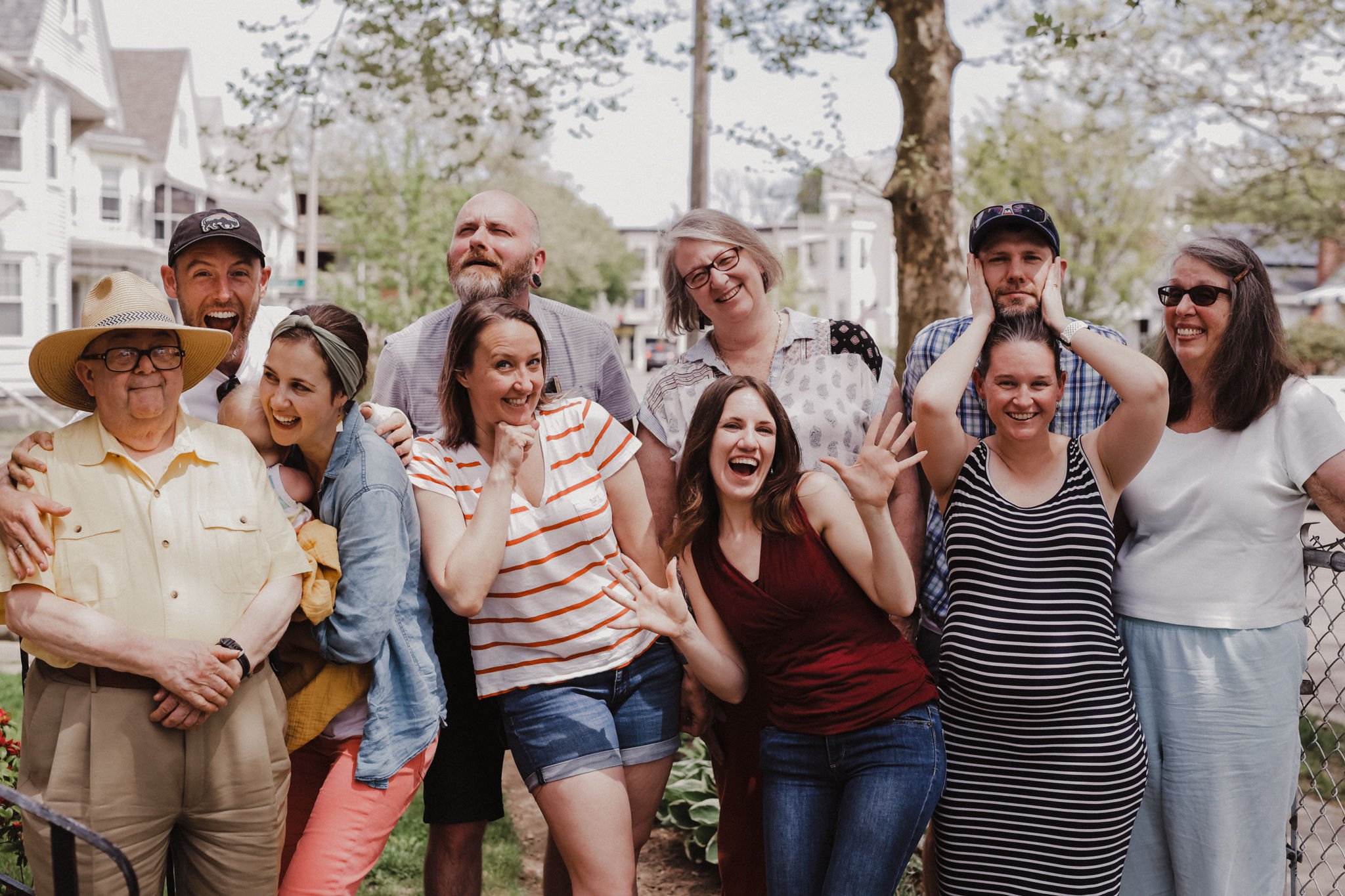
Five years ago, the Race & Christian Community Initiative launched its first cohort, a small group of white Christians in Greater Boston wrestling with issues related to race. It was an unexpected adventure, but one that was characterized by humility, transformation, faith, and grace.
A compilation of resources to help White Evangelicals live a more racially just life through laying a theological foundation, understanding the problem, and doing something about it.

White evangelicals who are moved by their biblical convictions to pursue justice and resist oppression often lack clear direction on how to seek these aims in concrete and tangible ways. This resource is designed to be a launching pad for White evangelicals to learn how to use their time, talents, and treasures for civic engagement.
As caregivers, mentors, and church family, we need to help children understand the realities of racism and develop a positive racial identity from a Biblical perspective through exposing them to race-related conversations.
Boston has a long and complicated racial history, which has often gone untold. The RCCI team shares some resources that can help us better learn our past as we work to build a more just and equitable future for our city.


Liza Cagua-Koo shares her perspective on pursuing God's ways of dealing with pain through lament as the strong foundation from which we can engage productively and perseveringly in the work of repair.
Today, issues related to race are sometimes seen as “liberal” or “political” issues. As a result, some Christians have disengaged from this important conversation, and this breaks the heart of God. Racial healing is first and foremost a biblical value. This article from the Race & Christian Community team explores a Biblical theology of racial healing.
You're White, and you want to engage responsibly and respectfully on race issues. You're an evangelical, and you believe the ministry of reconciliation is part of your calling as a follower of Jesus. Where do you begin? Check out these starter resources recommended by Megan Lietz, a White evangelical committed to helping other White evangelicals on their race journey.

As we seek the Lord for how to respond to COVID-19 and reorient ourselves to this new reality, let's consider how racism is shaping our communities and how we can work to counter its impact through practical actions and compassionate faith. Learn more about COVID-19's disproportionate impact on communities of color and concrete steps you can take to work against racism.

Racial trauma awareness—by both people of color and white people—is critical to healing our racial wounds and racial divides. Sheila Wise Rowe’s newest book Healing Racial Trauma fills this crucial gap with an exploration of the reality and scope of racial trauma, along with interviews that honor real people’s paths toward resilience.

Well-intentioned congregations with beautiful visions for multiracial community can perpetuate inequitable power dynamics instead of the mutuality and reciprocity God intends for the body of Christ. These resources provide more information on such power dynamics.

How has 2018 been for you? James Seaton shares reflections on the summer of 2018 in Boston and where we’re at as the Church.

Many White people may be surprised by some of the most basic realities of racism in America today. Don’t be one of them—get informed in this article from EGC’s Race & Christian Community initiative REWE, Race Education for White Evangelicals.
To express Jesus' love in these times, Boston White Evangelicals will want to face the realities of the city's racism. Find pathways for reflection and action, suitable for both starters and veterans in the struggle for racial understanding and reconciliation, with links to the Boston Globe Spotlight on Boston Racism.

Well-meaning people can act in ways that have racist impacts they wouldn't want. Don't be one of these people! Learn all you can to avoid being an accidental racist through this heartfelt reflection.

Racism in Boston is a big problem. But the road to racial harmony starts with a single step. Check out these recommended videos and special features, each of which take under five minutes to explore.

White evangelicals are going deeper in racial justice, but still have much work to do. Three churches in the Boston area tell their stories.
Our country is deeply divided. What part can we play in healing the nation's racial wounds? And where do we start?