
BLOG: APPLIED RESEARCH OF EMMANUEL GOSPEL CENTER

COVID-19: Church Finances
Last updated June 1, 2020

COVID-19: Church Finances
Advice
Guide to Church Finances During Covid-19 - Mass Council of Churches
TOOLS for Online Giving
FUNDS
Agencia Alpha Emergency Funds for Immigrant Families
If you or your family have been affected by the crisis created by COVID-19 and do not qualify for unemployment benefits and/or other state and federal aid, you may be eligible for financial assistance through the ALPHA Emergency Fund. This fund is to cover urgent needs such as paying rent, food and/or urgent charges.
Eligible candidates must meet at least one of the following requirements:
Being an immigrant over 18 years old without other emergency aid (Example: not being eligible for federal assistance and/or unemployment benefits)
Being an immigrant who recently lost his job due to COVID-19
Being an immigrant with children (under 18 years old) and/or other people who depend on and live with you
Through the One Church Fund, the Massachusetts Council of Churches prioritizes the financial, practical, and relational support of immigrant, Black, poor, unhoused, and unaffiliated churches. See the website for more information.
Loans / Grants for Churches through the CARES Act
The Payroll Protection Program is available to churches, nonprofits, and small businesses. This program provides loans through your local bank for 2.5 months of your organization’s average monthly payroll, and if used as directed these become forgivable loans, or in other words essentially grants. Beginning on Friday April 3, SBA (Small Business Administration) approved banks will begin accepting applications.
Loans for Churches - Mass Council of Churches
More detailed information and webinars.
CARES Act Grants & Loans - City Vision University
Resource list on nonprofit government grants, loans, and the CARES Act.
Covers eligibility, qualifications to receive loans, autonomy of churches, religious freedom / legal requirements, and non-profit status.
CARES Act: A Guide to Financial Resources for Nonprofits
The NonProfit Times summary of the CARES Act provisions for non-profits.
The Boston Foundation COVID-19 Response Fund
One-time operating grants for Greater Boston non-profits whose operations address the basic needs of vulnerable populations and provide COVID-19-related relief.
United Way COVID-19 Family Support Fund
A dedicated resource for working families affected by the COVID-19 public health emergency.
Focused on organizations that need support to modify or expand essential services that serve the immediate and basic needs of Boston residents. Priorities are to provide:
food to Boston's children, families and seniors
technology to Boston Public Schools students for remote learning
support to first responders, front-line workers and healthcare workers so they can effectively do their job and promote public health.


COVID-19 & Churches: Action Against Racism
As we seek the Lord for how to respond to COVID-19 and reorient ourselves to this new reality, let's consider how racism is shaping our communities and how we can work to counter its impact through practical actions and compassionate faith. Learn more about COVID-19's disproportionate impact on communities of color and concrete steps you can take to work against racism.

“Being Black or Brown does not increase one’s chances of contracting COVID-19, but systemic racism does.”
See below to learn more about…
COVID-19’s disproportionate impact on communities of color and how this is connected to systemic racism.
Actions you can take as an individual during COVID-19 to combat racism on the many levels it manifests.
Local organizations working toward equity during COVID-19 and how you can support them.
Why businesses of color were disproportionately impacted by COVID-19 and how to find and support businesses of color in Greater Boston.
We are truly living in unprecedented times. That said, this novel virus is exposing the age-old patterns of racism, xenophobia, and systemic inequalities. As we seek the Lord for how to respond to COVID-19 and reorient ourselves to this new reality, let's consider how racism is shaping our communities and how we can work to counter its impact through practical actions and compassionate faith.
Please see below to learn more about COVID-19's disproportionate impact on communities of color and concrete steps you can take to work against racism.
COVID-19'S Impacts on Communities of Color
The Intersection Between Systemic Racism & COVID-19
“The fact of the matter is that racism has created an uneven playing field. COVID-19 is only making these disparities worse.”
COVID-19 is no respecter of persons. Anyone, of any race, can be infected and even die—a reality that makes us mindful of our shared humanity. And yet, the coronavirus has had a disproportionate impact on people of color, both through its strain on already racially biased social systems, and because people of color are more likely than White people to be infected and die from COVID-19. This disproportionate impact is true in Boston and in our country at large.
These wide-spread disparities are not caused by anything inherent in people of color. Nor are they caused by some imagined "collective negligence" on the part of Black and brown people. Rather, they are the result of racist systems that were built into the infrastructure of our nation.
Being Black or Brown does not increase one's chances of contracting COVID-19, but systemic racism does.
HOW COVID-19 & Systemic Racism Interact
| Many people of color… | This connects to systemic racism because… |
|---|---|
| Serve as essential workers, work multiple jobs in different locations, or hold jobs that cannot be done from home, thus increasing one's exposure to COVID-19. | A long history of job discrimination has not given black and brown people the same professional opportunities as White people. Click here to see one example of how racism poses obstacles to people of color's job prospects today. |
| Have higher rates of pre-existing conditions like asthma, obesity, and heart disease that can amplify the impact of COVID-19. | These diagnoses are linked to discrimination-related stressors correlated with long-term adverse health outcomes. They are also fueled by environmental racism and the lack of access to healthy and affordable food that is more common in communities of color. |
| Reside in higher-density neighborhoods or housing where COVID-19 can spread more easily. | Living conditions have been shaped by a long history of race-based housing discrimination in the US that continues today. |
| May experience obstacles to accessing COVID-related information and care in their primary language. | Our society centers on the needs, values, and interests of English-speaking White people. This focus can leave the needs of those on the margins unmet. |
| Receive inferior medical treatment that can result in unnecessary consequences, including death. | Implicit biases and long-standing racial inequities persist in the U.S. healthcare system. |
The fact of the matter is that racism has created an uneven playing field. COVID-19 is making these disparities worse.
In addition, while people may be doing their best to social-distance, social distancing in itself is a privilege. It takes a measure of privilege, for example, to be able to work from home, have private transportation, and to afford masks and gloves, etc. Our Black and brown brothers and sisters are less likely to experience these privileges and more likely to participate in social distancing at a higher cost.
“Social distancing in itself is a privilege.”
The Impact of Systemic Racism on the Ground: Far and Wide

Click on the map to see the full PDF report from the Boston Public Health Commission.
Systemic racism is amplifying the impact of COVID-19 on our city. To learn about a few of the ways COVID is impacting communities of color in Boston, check out:
A recent episode of Basic Black featuring State Rep. Liz Miranda, Erica Lee, Ph.D., Edith Bazile and Phillip Martin as they discuss the impact of COVID-19 on communities of color in Boston.
A two-part Boston Black Townhall meeting (Click here for Part 1 & Part 2) that features Black clergy, activists, and scholars addressing racial disparities in Boston, the impact it is having on them during COVID-19 and where to go from here.
"What The Pandemic Is Doing To My Boston Neighborhood" by Boston City Councilor Andrea Campbell.
Interpersonal Racism and the Asian American Community

Map of racist incidents against Asian people during the COVID-19 pandemic, created by Harvard University grad students. Click on the image to see an updated map and full article.
In addition to the broad impact of systemic racism, Asian-Americans are being targeted through interpersonal racism ranging from inappropriate comments to violent hate crimes. Check out this personal account about anti-Asian racism in San Francisco and see where similar incidents have been identified and mapped in Boston and beyond.
These incidents are fueled by a wrong association between Asian people and COVID-19. This is part of a long history of disease being racialized in ways that perpetuate lies and uphold inequality. Check out NPR's "As Coronavirus Spreads, Racism And Xenophobia Are Too" to learn more.
In addition to the harm these lies have caused to Asian-people’s bodies and dignity, they have had an unequal impact on their businesses. Asian-owned businesses have taken an especially hard hit because COVID-related fears slowed business well ahead of the shelter-in-place orders.
RCCI affirms the AACC's call for the Church to address anti-Asian racism:
While people of all races are impacted by systemic racism, the rise of interpersonal racism against the Asian-American community must be named and addressed with intentionality and care.
RCCI encourages you to read and consider signing this statement:

Click here to to the AACC statement.
Racism Kills: Racial Disparities in Infection and Deaths in Boston
Not only has COVID-19 had a disproportionate impact on people of color generally through its strain on various social systems, but people of color are more likely to be infected and die from COVID than White people.

Click on the graph to read the full article in the Boston Globe.
COVID-19 is infecting, harming, and killing people of color at a higher rate than White people. For example, as of May 16th, 2020...
Even though Black people represent 25% of Boston's population, they represent 39% of known infected persons and 36% percent of known deaths.
In Massachusetts, Latino residents are 3.1 times more likely to test positive for COVID compared to a White resident.
As the death rate increased across Massachusetts in early April, it surged nearly 40 percent higher in cities and towns with the largest concentrations of people of color compared to those with the least.
Racial disparities are reflected in the fact that Boston neighborhoods with higher concentrations of people of color, like Dorchester, Roxbury, Mattapan, and East Boston, are experiencing higher rates of infection. Click here to see a neighborhood map of reported cases of COVID-19.
Similar data for the state of Massachusetts can be found in a mid-June report here.
For generations, people have been crying out against the racism in our social systems that value White humanity over the humanity of all others. It is in the disproportionate infection, harm, and death of people of color that the fruit of these unjust social systems become undeniably clear.
Systemic racism is death-dealing. As the Church, we must continue to take action to protect human life and to protect our shared humanity.
COVID-19’s Impact on businesses of color
COVID has not only impacted community’s physical health, but their economic well being as well. See below to learn more about how businesses of color have been disproportionately impacted during COVID-19 and concrete steps you can take to support them in our take action section. RCCI offers special thanks to Ed Gaskin, the Executive Director of Greater Grove Hall Main Streets, for offering his perspective and making significant contributions to strengthening our webpage. Thanks to his help, we could better reflect the reality small business owners of color are experiencing on the ground.
As of mid-April, 26% of Asian-, 32% of Hispanic- and 41% of Black-owned businesses have closed in the US. This is compared to 17% of White businesses that have closed in the same time frame. Businesses may or may not re-open.
This is due to compounding disadvantages like...
The Racial Wealth Gap: When businesses come upon hard times, having a financial buffer can make the difference between staying open and shutting down. Unfortunately, businesses of color are less likely to have that buffer, shaped in part by Boston's racial wealth gap. This gap has been shaped by generations of inequitable lending and opportunities and results in entrepreneurs of color having access to less financial capital in their social networks, including less access to business investors. This issue is further compounded by the fact that Black and Hispanic people are under represented in tech industries and other high money-making industries of the future that could build wealth in communities of color.
Lack of Integration of Businesses of Color into Boston's Economy: Businesses of color are not as well integrated into the larger, predominantly White-led economic systems of our city. For example, certain sectors, like travel, sports, entertainment, higher education, and construction, function largely independently from small businesses in communities of color. Furthermore, when major employment opportunities and business arise, they are less likely to go to businesses of color. For example, in 2019, only 1% of the $664 million that the city of Boston awarded in contracts for construction and goods and services went to minority- or women-owned businesses. Similar challenges are found in the private sector as well. Too often, businesses of color are left out. Realities like many businesses of color being micro-businesses, having contracted employees, and having a diversity of interests, pose obstacles to them organizing around and advocating for their needs.
Fears & Biases: Deep - and sometimes unconscious - biases can shape where we frequent and how we spend our money, especially during COVID-19. For example, because of wrong associations between COVID-19 and people of Chinese descent, public fears slowed business for Asian-American restaurants well ahead of the shelter-in-place orders. By mid-April, the pandemic wrought significant consequences and closures in Boston's Chinatown community.
The Inequitable Design of Federal Funding: The current economic stimulus initiatives represent the largest direct transfer of wealth from the federal government in US history. Like so many other wealth-building initiatives, however, they are not as accessible to people of color, by default and design. As of May 12th, only 12% of Black- and Hispanic-owned businesses received federal assistance. This was shaped in part by realities like how the Paycheck Protection Program, and the pathways designed for people to access it, were structured in ways that disadvantaged small business owners of color.
| In the first round of PPP: | Obstacles to People of Color: |
|---|---|
| Many major lenders opted to give preference to larger businesses. This allowed these businesses to apply first for first-come, first-served funds. | Businesses of color are often sole proprietorships and are more likely to be smaller than their White counterparts. |
| PPP applicants were required to go through a pre-approved lender (e.g. banks, credit-unions). These lenders initially gave preference to existing customers. | Businesses of color are less likely to have commercial banking relationships. This is shaped by obstacles to gaining small business loans and broken trust on account of a long-history of racially discriminatory lending that continues today. |
Adjustments were made to be more inclusive for the second round of PPP applications, but not before many business owners of color missed out on the first round of federal funding.
| Ongoing Structural Issues: | Obstacles to People of Color: |
|---|---|
| PPP info and applications were not readily available in business owners' primary language. Click here to explore a deep dive of challenges that the Executive Director of Greater Grove Hall Main Streets had to navigate to get info to business owners. | This made info less accessible to and delayed the application process for business owners who do not speak English as their first language. By the time many business owners navigated these obstacles, money had run out for the 1st round of funding. |
| PPP funding has restrictions on how it can be used and recipients must repay, with interest, any amount that cannot be used within a limited timeframe for eligible purposes. | This discouraged some businesses of color from applying because, if they had to downsize or close (which is more likely compared to White businesses), they would be less able to use the money within the guidelines and time frame needed to avoid repayment with interest. |
| The PPP excludes business owners who are currently involved in the criminal justice system or have been involved within the last 5 years. | This has a disproportionate impact on business owners of color due to over-policing in communities of color and other factors that contribute to mass incarceration. |
Taking Action Against Racism During the Covid-19 Crisis

“Systemic racism is death-dealing.”
Cry Out: Spiritual Responses to COVID-19
Let us begin this action in ways that root us in the biblical tradition and orient us to God. Please please join RCCI as we...
Lament. Cry out to God. Declare that racism is not right. Invite the One who went to the cross into the pain and brokenness you are experiencing. We invite you to explore this guided lament, United? We Mourn: A COVID-19 Lament, that explores the intersection between COVID-19 and racism.
Pray that...
People of color will be empowered to navigate and overcome the results of racism that are amplifying the impact of COVID-19 in their communities.
White people who are not aware of the impacts of systemic racism would be awakened to these realities and respond in ways that further God's redemptive work in the world.
God would continue to use his people as channels for racial healing and justice.
Stand in Solidarity. We are one city. We are one body. In times like these especially, we need to stand with the most vulnerable among us and ask God to knit us into community.
Ways to Counter Internalized and Interpersonal Racism
Check out this article on how to interrupt racism when you see it happening in the age of coronavirus.
If you're an Asian person who has experienced hate crimes related to COVID-19, consider reporting it here.
Be it with family at home or a group you convene online, learn with others through this simple lesson plan that corrects racist beliefs related to COVID-19 and the Asian-American community.
Care for yourself so you can better care for others. Click here for an article with suggestions for self-care, written to people of color.
Check in with people of color, build community, support one another.
Ways to Counter Institutional and Systemic Racism
Support businesses owned by people of color by using their services or buying gift cards. Explore a list of businesses open during the pandemic. Identify local restaurants owned by people of color and black-owned businesses here.
Reach out to your local leaders to advocate for policies that support communities of color in areas where they are experiencing extra strain as a result of COVID-19. Click here for 10 policy Recommendations to Temper the Impact of Coronavirus on Communities of Color from the NAACP.
Donate time, talent, and money to local mutual aid networks that distribute resources to those in most need.
Check out this list of equity and justice-oriented resources with categories like "healing and community care" and "organizing and solidarity" to inspire and inform your actions.
Learn about Boston-based resources to support churches and people impacted by COVID-19. Spread the word to get information and help to those most in need.
Support Local Organizations Working Toward Racial Equity During COVID-19
As you seek the Lord for how to continue his healing work in the midst of the pandemic, RCCI invites you to explore these Boston-based organizations that are working toward racial equity and striving to meet the needs of communities of color. Please consider lifting up your prayers, giving of your time and talent, and making financial donations. The time for action is now.
The Mass. Council of Churches (MCC) is raising money to redistribute to churches with a priority on the financial, practical, and relational support of immigrant, Black, poor, unhoused, and unaffiliated churches. Click here to donate. In addition, MCC has created an online database where Christians can share skills they have to offer and connect with people who might meet their needs.
Asian Community Emergency Relief Fund
The Asian Community Development Corporation, in collaboration with numerous partners, is raising money to provide immediate and direct financial support to Asian-Americans who have lost work, are having trouble meeting their basic needs, and may not be eligible for other public benefits. Donate here.
Black Ministerial Alliance Crisis Fund
The Black Ministerial Alliance, in partnership with Vision New England, is raising money to support Black churches and their communities during COVID-19. Click here to donate and specify that money is to go to the BMA crisis fund via the pull down "campaign" menu.
Agencia ALPHA is working hard to provide information and resources, such as food, emergency financial assistance, and wellness calls & follow up care, to Hispanic and Latino communities in Eastern Massachusetts. They are housed at Congregation Lion of Judah and have a focus on advocacy and legal assistance for immigrant populations. Click here to donate.
Mass Communities Action Network (MCAN)
MCAN is working hard to pass legislation that protects the most vulnerable among us. They contributed to the passing of the recent moratorium on evictions and are now working to see low-level offenders and ICE detainees released from facilities where, because of mass incarceration and anti-immigration sentiments, disproportionate numbers of people of color are kept in conditions ripe for the spread of COVID-19. Click to donate or learn more about how you can help pass life-giving legislation.
Violence in Boston (VIB) Meal Program
Started by a Black mother in partnership with a Black-owned business (Food for the Soul), VIB's meal program delivers between 1,500 - 1,700 lunches and dinners to Boston Public School students and their families each day. They'll continue to do this as long as funds last (it costs $3,500/day!). Show your support with a donation today.
Daily Table provides fresh and affordable food to the Codman and Dudley Square communities (36% less than their competitors!). During COVID-19 they have raised their workers hourly wage to $15/hr. and participated in free grocery and prepared meal distribution programs. Thus far they've served 15,600 people 127,000 free and healthy meals. Support them by shopping at one of their stores or click here to donate.
Community Health Centers
Many community health centers have been transformed into COVID-19 testing facilities that offer free tests to all regardless of insurance or immigration status. They are working hard to make sure that their communities, many of which are communities of color, have access to the tests and treatment they need. Many of these sites have given up their main income streams to serve the community during this crisis and are in need of personal protective equipment and funds to continue caring for the physical well-being of our city. Find your closest Boston-based testing site here and reach out to see how you can support.
support businesses of color
As Greater Boston continues to open, there is much work that needs to be done to rebuild our communities and ensure they reopen in ways that nurture justice and equity. One way you can contribute to this is by supporting businesses owned by people of color.
support businesses of color today!
You can help work toward racial equity by supporting Black and brown businesses in Greater Boston. Consider doing this by...
Spending Intentionally: We all spend money regularly: Groceries, take out, gas personal care, home repair, gift giving etc.
Where could you make a few shifts in your normal routine to direct the money you are already spending to support businesses of color?
How might you influence the purchasing patterns in your workplace, church, or other communities of which you are a part to get money in the hands of Black and brown businesses?
Pick one or two areas where you can make a change and stick to it. Every dollar counts in this critical moment, and long-term changes in how you spend your money really add up.
Eating Out: When you eat out, commit to supporting restaurants owned by Black and brown people. Delivery services like Grub Hub, Foodler, or Uber Eats can help bring food from businesses of color to you, even if there aren't restaurants owned by people of color in your neighborhood. Consider making an extra effort to travel to restaurants that don't have delivery (they may need your support the most!), but be sure to check to see if they have space to eat in and plan accordingly.
Bringing Others Along: Don't eat alone! If you're getting food from a business owned by people of color, consider...
Asking family, friends, and neighbors if they want to join in on a group order. This provides more business and can allow you to split delivery fees or, if you pick the food up yourself, remove that obstacle for others.
Doing a weekly office run to pick up food from restaurants owned by people of color.
Encouraging people to fellowship together at a restaurant owned by a person of color after church once a month.
As the need for catering returns, remember businesses of color!
Purchase Gift Certificates: Even if you don't need or would prefer not to use a certain service at the moment, purchasing gift certificates for you and others can get your money into the hands of Black and brown business owners at this critical time.
See below for businesses of color to support and spend your money in ways that work toward equity!
business highlight: building the black block
Written by Leslie Moore
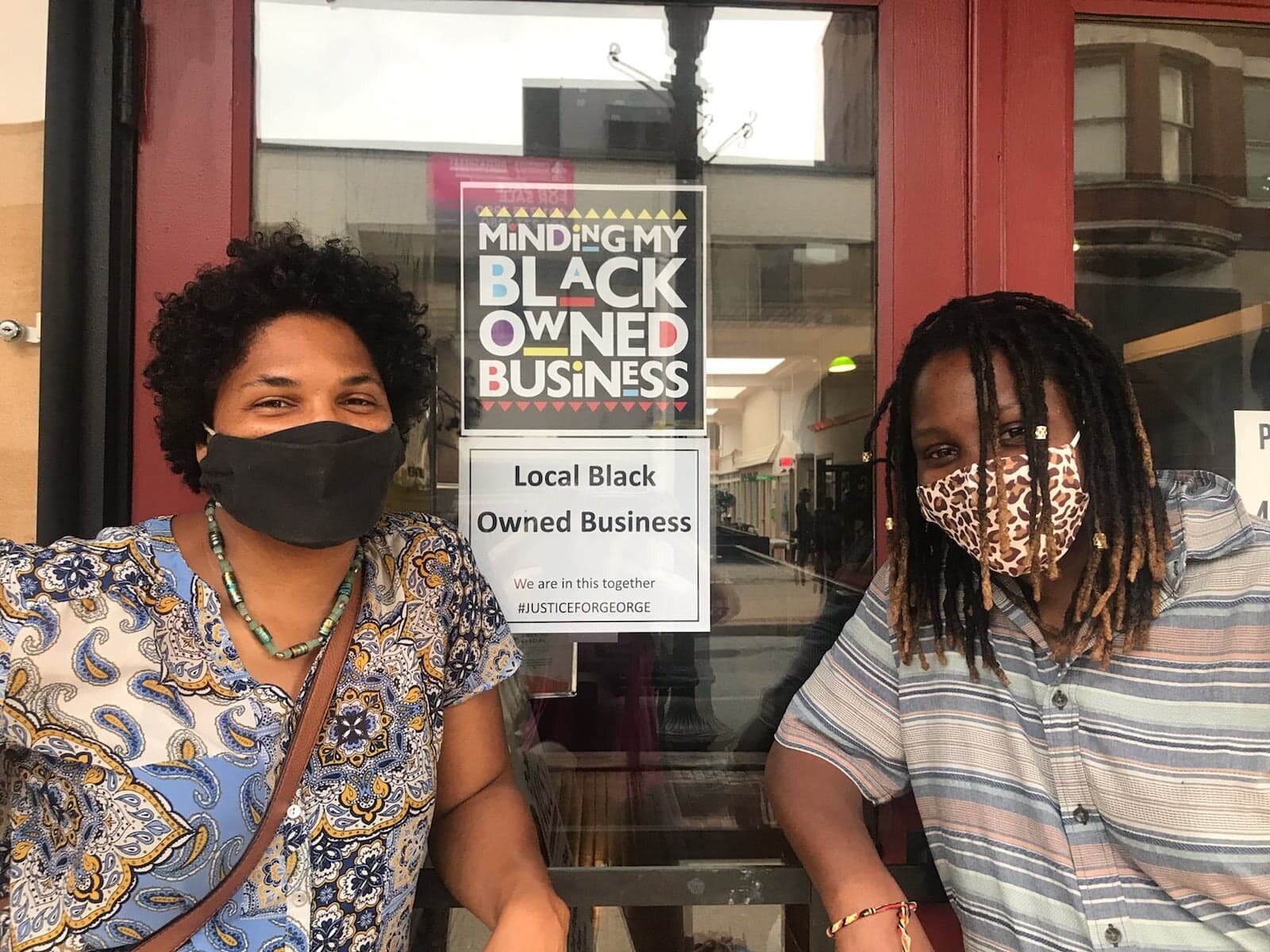
After the round of publicized killings of black men nearly 5 years ago, local Black Lives Matter leaders connected with Black Rhode Island entrepreneurs to imagine an impactful, lasting response to the challenges of discrimination and injustice experienced by the Black community. A creative strategy emerged to use a small amount of resources to build a sizable hub of Black-owned property and businesses and Black-managed community structures that would effectively build community wealth and wellbeing. Another goal of this hub was to give the Northeast region an opportunity to experience a fuller picture of black people as they shared their rich cultural heritage and unique creativity that is the result of surviving centuries of oppression. In the last year, the hub has launched a black owned mini-mall called Still on Main. In response to the COVID-19 pandemic, the hub developers built several shared commercial kitchens in the mall so that families and individuals with cooking and baking skills could cook, sell and cater food in their communities for income. The hub is located in downtown Pawtucket, RI. It is affectionately called “The Black Block” and leaders hold hopes that it will be a model for more hubs across the country.

Listen to the Perspectives of People of Color
Media shapes the way we see and engage with our world. When learning about the experiences of people of color, make sure you're listening to people of color. Click here for a list of COVID-related news coverage written by Black and brown writers and reporters.
A Call to Action
We are one city with different experiences, challenges, assets, and opportunities. As an interconnected society, we are only as strong as the most vulnerable among us. In this season, we don’t need equality. We need equity to make sure we are all healthy and whole.
Ask yourself, what can I do? How can I give out of what I do have to make sure that the Boston emerging from the pandemic is healthier, stronger, and more equitable than before?
We can all do something. Please prayerfully consider how to honor God in this moment and take action now.
Connect with the Race & Christian Community Initiative
Learn more about EGC’s Race & Christian Community Initiative.
Sign up for RCCI's newsletter for quarterly ministry updates and feature pieces like resources on COVID-19.
Get regular emails about race-related learning & action opportunities hosted by organizations in Greater Boston.
What resources do you know about? Suggest them for this “COVID-19 & Churches: Action Against Racism” resource page or for any of EGC’s “COVID-19 & Churches” resource pages.

COVID-19 & Churches: Youth Ministry
Last updated May 13, 2020

COVID-19 & Churches: Youth Ministry
The Institute for Youth Ministry at Princeton Theological Seminary
Youth Ministry in a Pandemic offers content and links that provide guidance, ideas, research, and insight for those who minister with young people in an unprecedented cultural moment. The eight content areas are Theological Reflection, Mental Health Support, Digital Gatherings, Spiritual Formation, Leading while Learning, Worship & Liturgy, the New Normal- moving into the next phase, and “the Covid Summer.”
Paul and Angela Gorrel
Guide to Taking Youth Ministry Online offers detailed information and discussion starters on contemporary concerns of youth which have been heightened by the COVID-19 crisis. These concerns include disappointment, anxiety, loneliness, fear of rejection, pain, jealousy, shame, fear of failure, and anger. The guide also covers the Fruit of the Spirit. It explains how to survey one’s youth group on access to tech devices and tech skills with various tools and platforms. Other topics include small groups, ideas to get youth talking, prayer, Scripture reading, art, using technology to create community and resources on using the various social media platforms. Angela Gorrell is the author of Always On: Faith in a New Media Landscape.
Youthscape Resources
Coronavirus: A youth ministry liveblog. This website from England is a regularly-updated hub dedicated to helping youth leaders respond to the COVID-19 pandemic.
Youthscape offers Together Apart a short series of curriculum resources enabling you to explore life and faith with young people. It is designed specifically for use in the context of an online youth work session. Free download.
Search Institute
If you take a look at the Search Institute Relationships Check, you may be able to see where your relationships with important young people in your life are particularly strong and where they can grow. If you answer the questions, you’ll receive actionable approaches and activities to strengthen relationships with young people in your life.
Free youth ministry ideas & downloadable resources in the time of COVID-19
Fuller Youth Institute
Doing Youth Ministry During a Pandemic - Steve Argue
Navigating New Territory: Moving Ministry Online - Lisa Hanle
Naming Loss and Gratitude with Young People in these Uncertain Days - Brad Griffin
Urban Youth Workers Institute
6 Creative Ways to Engage Youth During Social Distancing - Susan Delano
Includes rap video “Corona Clap” by Dee-1.
National Network of Youth Ministries
Several useful blog posts for this time of crisis
Group
10 youth devotionals on the “Jesus Centered Life;” five virtual games bundles; free resources for children’s ministry.
Youth Ministry 360
COVID-19 Youth Ministry Resources
A variety of practical resources & articles for youth workers

COVID-19 & Churches: Employment

Last Updated May 13, 2020
COVID-19 & Churches: Employment
Jobs & Companies Hiring
Boston
The Newmarket Boston Jobs Initiative
The Newmarket Boston Jobs Initiative is committed to hiring local talent from the neighborhoods of Roxbury, Dorchester, and Mattapan into full-time jobs at our member and partner businesses.
Spreadsheet of Boston Companies Currently Hiring
National
Some potential sources of jobs include the following. Try a Google search like “Amazon jobs Boston” or “CVS jobs Boston” or use the company job links below.
Research
Partners in Health is looking to rapidly hire up to 1,000 COVID-19 tracers for the program, starting at $25/hr. Here is more information about these jobs that allow you to work from home and require a high school diploma or equivalency.
UNEMPLOYMENT
Massachusetts COVID-19 unemployment information / Información de desempleo de Massachusetts sobre el virus COVID-19
Unemployment Assistance Contact forms (multiple languages)
If you are filing a new claim for benefits related to COVID-19.
Employee Frequently Asked Questions
Includes unemployment assistance information when quarantined or on reduced hours due to the COVID-19 crisis.
Employer Frequently Asked Questions related to COVID-19
Pandemic Unemployment Assistance (PUA)
Pandemic Unemployment Assistance (PUA) provides up to 39 weeks of unemployment benefits to individuals who are unable to work because of a COVID-19-related reason but are not eligible for regular or extended unemployment benefits.
PUA is a program open to the following individuals:
Self-employed individuals, including gig workers, freelancers, and independent contractors
Those seeking part-time employment
Claimants that have an insufficient work history to qualify for benefits
And claimants that have been laid off from churches and religious institutions and are not eligible for benefits under state law




COVID-19 & Churches: Essential Needs & Volunteer Coordination

Last updated May 13, 2020.
COVID-19 & Churches:
Essential Needs &
Volunteer Coordination
Essential needs
F O O D A C C E S S
Project Bread food resources guide
Information on Free Meals for Kids and Teens, Meals on Wheels, Food Pantries, and Project Bread's FoodSource Hotline 1-800-645-8333 (Monday-Friday: 8am-7pm & Saturday: 10am-2pm).
If you are unemployed because of COVID-19, you can apply for SNAP food benefits.
Some students’ families can receive Pandemic EBT cards to use for groceries.
Statewide list of food pantries & resources, by city & area
Food pantries and meal sites provide food directly to individuals, but food banks listed do not distribute food directly to individuals. Given the Pandemic, be sure to call to confirm information.
Supplies food pantries and other programs providing food around greater Boston. They are in need of extra volunteers and financial donations.
If someone you know needs food, you can find locations of food pantry partners by entering the zip code on this webpage with map.
Food Resource Locations in Boston
Map and lists, including food pantries, free meal pick up sites for all youth and teens, free meal pick up sites for adults, and “Soup kitchens.” Call sites to confirm times and other current information.
Call (617) 635-3717 or
Catalina Lopez-Ospina at (617) 635-2841
Free breakfast and lunch meals are available to all Boston children and youth while Boston Public Schools are closed.
Ethos - Meals for Older Adults (60+)
Ethos is providing meals for older adults through its Meals on Wheels program (617)- 477-6606 or take out meals available at their Community Cafe sites throughout the city.
L E G A L
Provides information in English and Spanish on:
employment and unemployment issues
immigration concerns
housing issues like the eviction moratorium and utility bills
health insurance
cash assistance
and more
h o u s i n g
State Initiatives to help Renters - Eviction Prevention and RAFT housing assistance- From the Massachusetts Department of Housing and Community Development
Freeze and Moratorium on Evictions
On April 20, 2020, Governor Baker signed into law legislation that imposes a temporary moratorium on evictions that goes beyond previous DHCD guidance. See web links for details.
Residential Assistance for Families in Transition
The RAFT program helps keep households in stable housing situations when facing eviction, foreclosure, loss of utilities, and other housing emergencies caused by loss of income, increase in expenses, or both. RAFT assists households of all sizes and configurations with financial assistance up to $4,000 per household to help preserve current housing or move to new housing.
In Greater Boston, RAFT is administered by Metro Housing|Boston.
WORKERS & VOLUNTEERS NEEDED
H E A L T H C A R E
Boston Hope Medical Center
Mayor Walsh would like to call attention to the need for healthcare providers, especially at the new Boston Hope Medical Center (at the Convention Center). Click HERE for more information on these jobs. Free accommodations and meals are provided. Please share with your networks and congregations.
MA Responds
Public health, health care, and emergency response volunteers can register to volunteer at MA Responds.
F O O D A C C E S S
Boston Public Schools
Pack & deliver food for BPS students and families.
COORDINATING ORGANIZATIONS
The BMA resource webpage includes a wide variety of basic information including food distribution centers; testing sites; information for tenants, homeowners, & landlords; information on financial assistance; legal assistance; and internet access.
MCC is gathering info from churches across the state with this form to learn what communities need and how churches can help.
Boston Cares is coordinating volunteer opportunities such as packing and distributing meal for Boston Public School students at the distribution sites (schools). Click on the schools and then the specific days to find needs.
For other volunteer opportunities related to the Boston Public Schools, contact Miriam Rubin at mrubin2@bostonpublicschools.org. For donations of goods and services, contact Margaret Farmer (978) 729-7771 / mfarmer2@bostonpublicschools.org.
Neighborhood & Community Mutual Aid Networks
Communities sharing needs and serving neighbors in very practical ways.
IDEAS
The Coronavirus Epidemic in Boston: Here’s How Christians Can Respond, from Unite Boston
INNOVATION
Faith Tech Christian Hackathon for COVID 19 Innovative Solutions
Between March 28th and April 4th, Faith Tech hosted an online Hackathon, unrestricted by geography and location. They built technological solutions to the problems local churches across the world are now facing. Check out the winning projects.

COVID-19 & Churches: Self Care & Mental Health
Last Updated May 1, 2020

COVID-19 & Churches: Self-Care & Mental Health
COPING
Resources on Depression, Anxiety and Counseling
Depression and Anxiety: symptoms and suggestions; Crisis hotlines; Christian counseling resources; and a teaching series, Jesus + My Mental Health. Compiled by Reunion Church.
Coping with Coronavirus Webinars
Dealing with daily stress, anxiety, and a range of other emotions. A series of four video webinars from Harvard Medical School by Dr. Luana Marques. Regulating emotions and building resiliency in the face of a pandemic.
CDC on Stress & Coping
The CDC web page on Daily Life and Coping has good general information on dealing with the mental strains and stress of the pandemic under the sub-section “Stress and Coping.” It includes helpful information on how different people and age groups respond to stress and how to help reduce stress and anxiety for yourself, children, teens, first responders and those coming out of quarantine.
GRIEF & LOSS
Resources from Harvard Cru Staff Tammy and Pat McLeod, authors of Hit Hard.
Understanding & Help for Ambiguous Loss
Biblical & Theological Resources & Spiritual Practices for Ambiguous Loss
Conversations on Ambiguous Loss in a Pandemic
Contributions from Pat and Tammy McLeod, Harvard Chaplains for Cru, and Ron and Bonnie Sanders, Campus Ministers for Cru at Stanford.
POST-TRAUMA SUPPORT & HEALING
Corey Johnson Program - “Can We Talk” Conference Call
Experiencing stress or trauma during the coronavirus? “Can We Talk” is a weekly conference call every Thursday night, open to all.
Conference Call Line Instructions for CAN WE TALK:
Step #1: Dial: 1-929-436-2866
Step #2: Enter Meeting ID: 887995182#
Step #3: Press # to join the call. (There is no Participant ID)
EMOTIONAL SElf-Care TOOLS
The free Youper app is helpful for taking a moment to yourself, saying how you feel, and connecting those feelings to what’s happening in your life. This simple act alone helps to right-size your feelings so you can take positive action. With Premium features, the app also asks you questions to help you explore, gain insight, reframe your thinking, and take positive steps. - Jess Mason, M.Div., EGC Applied Research & Consulting

COVID-19 & the Church: Leadership in Crisis & Change
Last Updated August 14, 2020

COVID-19 & the Church: Leadership in Crisis & Change
Church Leadership
9 Leadership Principles from an Interim Pastor to Get You Through a Crisis (Like COVID-19) - David Miles of Vital Church Ministry
COVID-19 Toolkit for Nonprofits and Ministries - a course from City Vision University
The course is designed to train leaders at nonprofits, NGOs and ministries on how to respond to the coronavirus COVID-19 pandemic effectively and adapt to the financial crisis. This course builds on City Vision's experience working with thousands of nonprofits, NGOs and ministries in the past 20 years. We have also been curating the best COVID-19 resources and training from some of the best sources in the world.
Some of the other material covered includes:
Nonprofit Government Grants, Loans, CARES Act & Other Legislation
How to Maintain Healthy Relationships and Organizations in a Remote Work Environment
Resources for Homeless Shelters & Organizations Serving High-Risk Clients During COVID-19
COVID-19 Planning Toolkit for Nonprofit Leaders & Boards
COVID-19 Nonprofit Fundraising Toolkit
Leading through a Crisis, by John Maxwell
Nonprofit Board Resources, Risk Management, HR & Legal Guidance
Non-Profit Leadership
Online Courses for Nonprofit and Ministry Leaders - free online courses from City Vision University
Christian Community Development and the Social Justice Tradition
Learn how to apply principles of Christian community development and the social justice tradition to transform at-risk communities
Christian Leadership in Diverse and Under-Resourced Communities
Learn how to use life reflection and leadership best practices to lead effectively in diverse and under-resourced environments
Disruptive Innovation in Higher Education, Instructional Design & Program Design
Learn how to utilize disruptive innovation in higher education as well as instructional design and program design for online and blended programs
COVID-19 Toolkit Course for Nonprofits and Ministries
Learn how to serve effectively and adapt to financial crisis during the COVID-19 pandemic

COVID-19 & Churches: Testing Sites
Last Updated April 20, 2020
COVID-19 & Churches: Testing Sites
PhysicianOne Urgent Care
COVID-19 testing available at all PhysicianOne Urgent Care locations, with drive-up option and contactless care. First, contact your healthcare provider.
Massachusetts Testing Sites
Do you need a test to determine if you may have COVID-19? The testing sites on this list are available by appointment only. If you believe you may need a test, first contact your healthcare provider. If he or she recommends that you should be tested, but their facility cannot offer the test, obtain a referral and contact one of the facilities listed.





COVID-19: Relationships, Marriage & Family

Last Updated April 13, 2020
COVID-19 & Churches: Relationships, Marriage & Family
DOMESTIC & Intimate Partner VIOLENCE (IPV)
Find a Local Service Provider
Jane Doe Statewide Map of Service Providers
For People Experiencing IPV
For Church Leaders Supporting Those Affect By IPV
For People Tempted to Use Violence
Dealing with CONFLICT
Tips for Dealing With Family Conflicts While Living in Close Quarters – Jennifer Thomas
Family Bonding
10 Ways to Bond as a Family When Hunkered Down – Asheritah Ciuciu
KIDS Learning At home
Home Learning Resource Guide for Children
Help for Homeschooling in a Crisis without Panicking
A video from Jamie Erickson with practical advice from a Christian author, and experienced teacher and homeschooler, tailored to this new situation.
Free Amazon /Audible For Kids & Youth
You can now live-stream for free all audio books for children and youth, courtesy of Audible by Amazon.

Cry Out: New Music Video & Lyrics
Cry Out
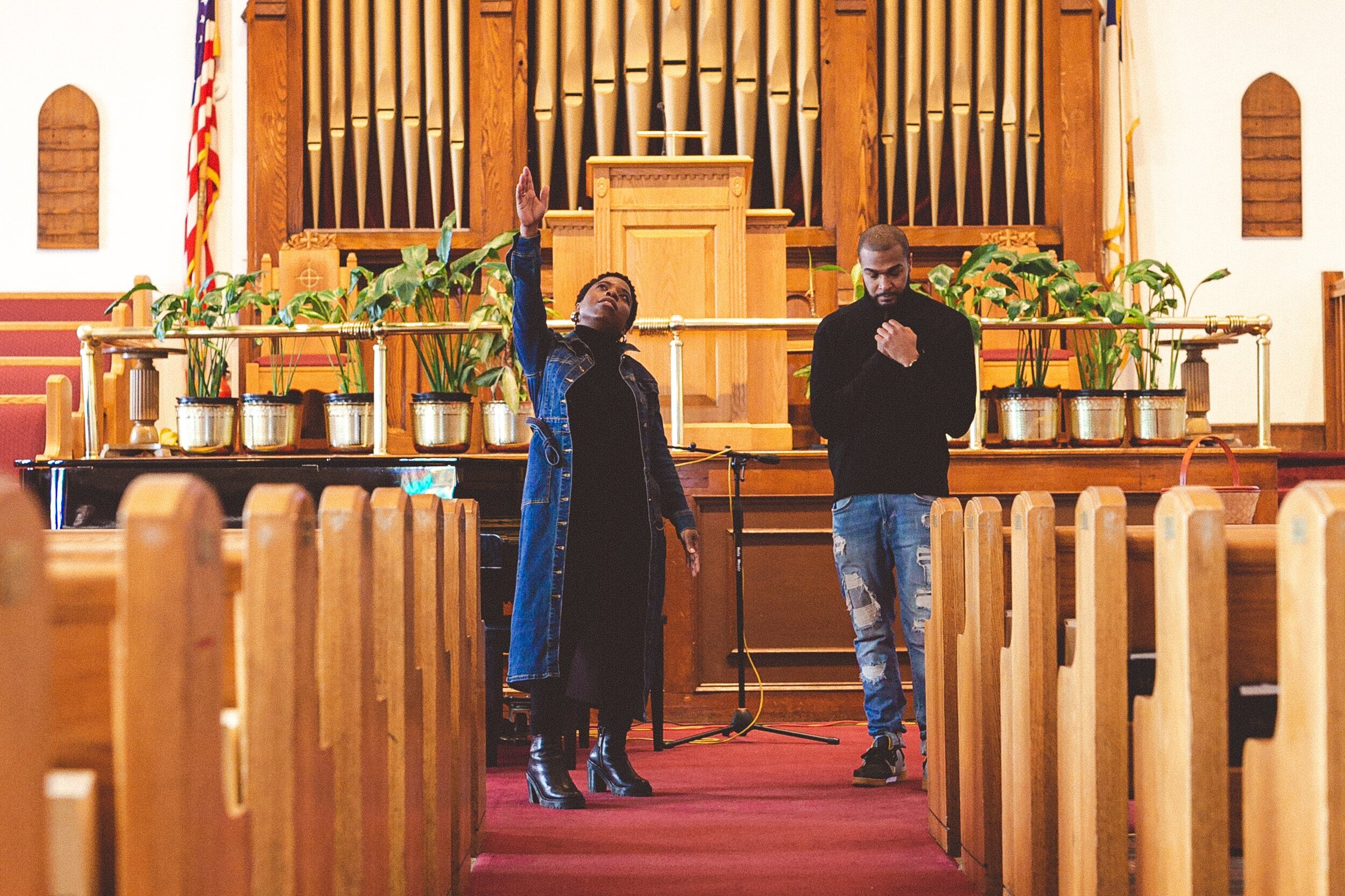
This year, EGC’s annual urban ministry celebration was a bit different. Instead of a party, we sent out a gift. Straight from the heart and spirit of EGC’s creatives, this song and music video is for you to enjoy, reflect on, and share. Below you’ll find the video link, lyrics, and art photos.
Like the Christian leaders we serve, EGC is in a time of deep listening—to God and to other leaders—in this unexpected season of distancing and connecting, conserving and giving, caring and surviving. Friends, may this song inspire you to cry out to God with all that you need, as you also hear the cries of those Jesus loves.
Music Video

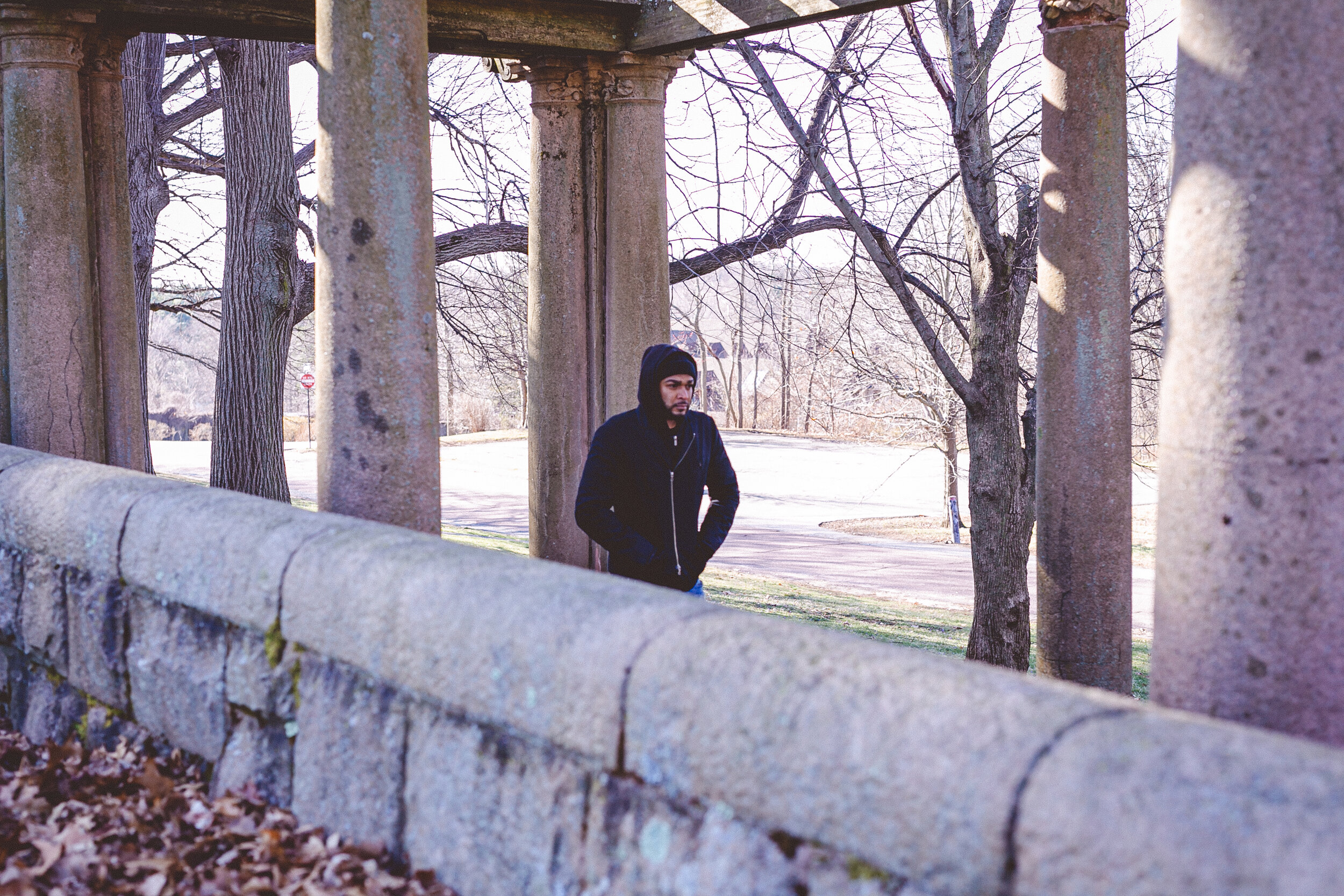
Cry Out. Music and Lyrics by Caleb McCoy & Jaronzie Harris. Sound Production by Caleb McCoy. Video Directed & Edited by Elijah Mickelson. Videography by Giovanni "Fugi" Acevedo and Sue Murad. Behind the scenes Photography by Rosa with R9Foto. All precautions were taken in the filming of this video to ensure the health and safety of the artists, film crew, and Boston public.
Lyrics & Photos
CALEB
See I just wanna go on record
That this is never what I expected
Take away our pride and possessions and
It’s gonna beg the question, what is anybody left with?
What do you do in a pandemic?
Who takes the blame and who gets the credit?
Some will second guess it and others will get prophetic
Some sayin’ it’s the endin’, I think it’s a new beginning

We still have abundant life, we can live it up
But when Lord speaks we should listen up
And it shouldn’t take a virus that’s killing us
To think about the elderly, the poor, and the prisoners (that’s real)
It changed the whole world as we know it
But hopefully we can learn from this moment
We need beauty from artists and words from the poets
It’s time to dive deep, like the pearls in the ocean


I know you sad Sunday service is closing
But this the best time for the Church to be potent
How can we go serve the hurt and the homeless?
Do we really believe every curse can be broken?
I think we do, so let’s see it then
Some people need food, some will need a friend
Some people need a song, go and sing it then
This our prayer ‘til we meet again, that

We need perseverance through the pain
We need God to clear it when it rains
It’s only by the Spirit that we change
So let the people cry out

And God gave a command—it was, “Love one another”
Through the hard times enemies become brothers
The only thing certain is the God that’s above us
Let the people cry out

Jaronzie
We cry out in this world where calamity’s conjectured on a curve
We confront our own fragility
Raising up petitions and repenting on our bended knees
Seeking asylum from a sickness of a different breed
Shadow of death looming long on society
But servants of the Most High still trust in His authority
Who grasps the globe in His hands? Who is the King of Kings?
Holding all of our existence in supreme dexterity

Lifting up the cup of my salvation, calling urgently
Hoping that the God who formed creation will deliver me
Resting in His promise, drawing power from the NIV
Knowing that He’s faithful so I give Him this doxology
Chorus
We need perseverance through the pain
We need God to clear it when it rains
It’s only by the Spirit that we change
So let the people cry out
And God gave a command—it was, '“Love one another”
Through the hard times enemies become brothers
The only thing certain is the God that’s above us
Let the people cry out (So we all pray together)
ALL
Let the people cry out to you
Let the people cry out to you
Let the people cry out to you
Let the people cry out
Let the people cry out to You (for healing)
Let the people cry out to You (for breakthrough)
Let the people cry out to You (for deliverance)
Let the people cry out

The Word
When the righteous cry out for help,
The Lord hears and delivers them out of all their troubles
The Lord is near to the brokenhearted and saves the crushed in spirit.
Many are the afflictions of the righteous, but the Lord delivers them out of them all.
Psalm 34:17-19
About the Artists

Caleb McCoy
Caleb writes, performs, records, and shoots videos for Christian hip-hip through his ministry called OAK. His ministry also mentors other Christian hip-hop artists in Boston. Before the stay at home advisory, you could find Caleb ministering in schools, communities of youth at risk, and sold-out concert venues across the region. The OAK albums are available on Apple Music, Google Play, Spotify, and wherever albums are sold. Caleb also is EGC’s Development Manager and teaches the EGC 101 introduction to EGC’s city ministry.

Jaronzie Harris
Jaronzie is an educator, worship leader, playwright and director who uses research and the arts to unite communities and promote justice. She is currently a scholar in the Institute for the Study of the Black Christian Experience at Gordon-Conwell Theological Seminary and the Research & Networking Associate at EGC for the Boston Black Church Vitality Project. Before the stay at home advisory, you could find Jaronzie meeting with Christian leaders across eastern Massachusetts to bolster youth programs and develop spiritual vitality through collaboration and the arts.

Elijah Mickelson
Elijah is a storyteller, pastor, and director. He serves as EGC’s director of communications helping churches and Christian leaders tackle the complexity of the urban environment. He is also the founder of the Filmmaker Collaborative. The purpose of the Filmmaker Collaborative is to build community, encourage one another in the creative process, and explore collaboration. Contact Elijah at emickelson@egc.org.

Rosa Cabán
Rosa Cabán is R9 Foto. Rosa is a photographer who uses the arts to bring influence to communities in need of God's love. She is currently serving on the creative team in the media department at Impact Church. Before the pandemic, you could find her cooking, hosting friends, and working on projects with other Kingdom artists.
EGC FILMS
![Homelessness & Collaboration: Starlight Ministry [VIDEO]](https://images.squarespace-cdn.com/content/v1/57ff1c7ae58c62d6f84ba841/1523389821793-ZWG4LOT4ZTF83A6JKKS1/Cynthia+Starlight+Video+HiDef.png)
![Voices of Human Trafficking [VIDEO]](https://images.squarespace-cdn.com/content/v1/57ff1c7ae58c62d6f84ba841/1549999751750-FPJ37PZW2U4UHY6OVXSH/Screenshot+2019-02-12+14.28.40.png)

COVID-19: Government Info & Resources
Last Updated March 25, 2020

COVID-19: Government Info & Resources
NATIONAL
Center for Disease Control & Prevention (CDC)
Haitian Creole
Kisa pou fè si ou malad avèk maladi kowonaviris 2019 (COVID-19) (What to do if you are sick with coronavirus disease 2019 (COVID-19)
Sentòm maladi kowonaviris 2019 (SYMPTOMS OF CORONAVIRUS DISEASE 2019)
Guidelines for Faith-Based Organizations
State
Mass.gov
Boston
City of Boston - Boston.gov
The City of Boston COVID-19 page has information about closures and guidelines, a map of school food distribution sites, and provides COVID-19 fact sheets in English, Spanish, Chinese, Vietnamese, Portuguese, and Haitian Creole.
City of Boston Health Line: 617-534-5050
Social Media: Mayor Walsh (@Marty_Walsh), City of Boston (@CityOfBoston)
Boston Public Health Commission
You can also refer to the BPHC for cleaning tips, prevention tips, and hand washing guidelines.

COVID-19: Churches & Schools
Last updated March 25, 2020
COVID-19: Churches & Schools
Churches can assist their families and neighbors in making sure students have laptops (free Chromebooks are being distributed), have internet access, and know how to use them to access online learning activities and resources from the Boston Public Schools.
Boston Public Schools
To request a Chromebook and get basic information on using one:
Call (617) 635-9000
Funding Resources for Boston Public Schools Partners and non-profits
A number of charitable funds have been set up to respond to the Covid-19 Crisis.

COVID-19 & Churches: Addiction Recovery
Last updated March 25, 2020

COVID-19 & Churches: Addiction Recovery
Celebrate Recovery
Crisis Response Open Share Groups online are being set up by leaders of current groups following certain guidelines. These are Christian 12 Step groups.
Alcoholics Anonymous
Most AA Recovery groups are not meeting now, but for a list of those which are meeting (meetings limited to 10 people) and for links to online Virtual AA groups, see the Boston Area AA website.
Narcotics Anonymous
New England area NA virtual online groups are available and listed by day of the week.

Healing Racial Trauma: Fresh Resources
Racial trauma awareness—by both people of color and white people—is critical to healing our racial wounds and racial divides. Sheila Wise Rowe’s newest book Healing Racial Trauma fills this crucial gap with an exploration of the reality and scope of racial trauma, along with interviews that honor real people’s paths toward resilience.
Healing Racial Trauma: Fresh Resources
We at the Race & Christian Community Initiative (RCCI) at EGC would like to draw your attention to an essential upcoming book, Healing Racial Trauma: The Road to Resilience, by Boston area Christian counselor, speaker, and author Sheila Wise Rowe.

Racial trauma awareness—by both people of color and white people—is critical to healing our racial wounds and racial divides. Sheila’s newest book fills this crucial gap with an exploration of the reality and scope of racial trauma, along with interviews that honor real people’s paths toward resilience.
Sheila is the executive director of The Rehoboth House, an international healing and reconciliation ministry that provides counseling, spiritual direction, art therapy, retreats, and life coaching in Greater Boston and Johannesburg, South Africa. Spanning these two racism-charged settings in her work has yielded vital insights into racial trauma. In her 2018 article “Healing from Race-Based Trauma,” she shared poignantly about her journey from South Africa back to the US, when she observed more deeply the extent and impacts of race-based traumatic stress in the US.
In June of this year, RCCI was honored to welcome Sheila to give a keynote address on racial trauma at the RCCI Community Gathering & Fundraiser. There she explained the cycle of racism-based traumatic stress that people of color accumulate and carry with them daily. She challenged white people seeking racial reconciliation to understand and acknowledge racial trauma.
Watch brief clips from the 2019 RCCI keynote address:
SPECIAL OFFER
Pre-order Healing Racial Trauma: The Road to Resilience HERE and get 30% off with promotion code: OFFER20W. Offer good only until Monday, January 6, 2020!
You’re also invited to join Sheila at the Book Launch Party on Saturday, January 11! RSVPs are appreciated!

Take Action





Victims, Threats, Leaders: Uncovering Our Mental Models About Refugees
Mental models are assumptions we make about how the world works. What mental models do we hold about refugees? How willing are we to challenge those mental models with new information? Olivia Blumenshine walks us through a process for uncovering our own mental models about refugees. She discusses five common mental models about refugees and where those models may be incomplete, outdated, or based on false information.
Victims, Threats, Leaders:
Uncovering Our Mental Models About Refugees
By Olivia Blumenshine

I asked Rev. Torli Krua, a Liberian refugee and Boston ministry leader, what assumptions Americans make about him after learning of his refugee status. He shared, “Sometimes when I speak, they say, ‘Oh! So you speak English! Ah, when did you learn that?’” The Americans’ surprise suggests they hold a “mental model” about refugees.
A mental model is an assumption we make about how the world works—and a driving force behind how we act. Americans who are taken aback by Rev. Krua’s fluent English may hold a variety of mental models. They may believe that refugees come from non-English speaking countries, that refugees are uneducated, or that refugees don’t have the motivation or opportunity to learn English.
Some Americans might even believe that poor non-Westerners have a lower mental capacity than wealthy Americans or that refugees are lazy moochers who likely can’t be bothered to learn English. Our mental models are generally unconscious, meaning we are not readily aware of them, and they take work to uncover.
Some mental models are roughly accurate if oversimplified. Most current refugees do speak another language besides English as their native language, but Liberia happens to be an exception. When asked this question about his English skills, Rev. Krua responds, “Come on now! My country [Liberia] was started by the United States government!”
But other mental models are misleading or wholly inaccurate. They’re rooted in misinformation, prejudice, trauma, or historical realities that are no longer true.

Rev. Torli Krua (left), executive director of Universal Human Rights International, with fellow pastor Sam Boadu (right) at the 2018 fundraiser for the Greater Boston Refugee Ministry.
Mental models, which we form based on our limited information and experience, influence our reactions to the world every day—often without our awareness. Peter Senge, who first coined the term “mental model,” explains,
Mental models can be simple generalizations, such as “people are untrustworthy,” or they can be complex theories, such as my assumptions about why members of my family interact the way they do.…But what is most important to grasp is that mental models are active—they shape how we act. If we believe people are untrustworthy, we act differently than we would if we believed they were trustworthy. — The Fifth Discipline, p. 164.
Uses & Limits of Mental Models
Everyone has mental models. Our brains are designed to gather and store information for quick retrieval to help us more quickly process the world around us. Our experiences thus shape our perspectives about the world and our place in it. But mental models can backfire—with harmful consequences—if they’re inaccurate or we’re unwilling to challenge them.
To uncover our mental models, we’ll need to engage our minds and spirits intentionally. We’ll need to push against our automatic brain process to identify our assumptions and their roots.
Checks on our mental models can come from circumstances (where we gain insight into ourselves and the world), reading (which challenges our thinking), and especially through discussion with others. Because others hold diverse mental models due to their different life experiences, input from others is necessary and helpful for surfacing our mental models.
My Shift in Perspective
I have never been a refugee. When I started volunteering with the Greater Boston Refugee Ministry (GBRM) four years ago, I found that my perspective on refugees needed to be tested and refined. I had seen the photographs—emaciated people drifting in rafts or crouching in tents. From those images, I had formed the belief that refugees are people who needed saving—who aren’t able to protect themselves.
Over the years, I have spent more time with people with a refugee background through my work with GBRM. In that time, I’ve learned that humans can endure intense pain and loss and still retain their generosity, hospitality, goodness, and strength.
My mental models about refugees continue to evolve. I’m currently learning more about refugee innovation and leadership. I thank God that, by His grace, we are always learning and growing.
Opening Reflection

As you begin to consider the mental models you may hold about refugees, you may find these questions helpful for your reflection:
When I think of the word ‘refugee,’ what images and feelings first come to mind?
What words and phrases do I associate with refugees?
What do these images, words, and feelings tell me about my perspectives on refugees?
How would I explain who a refugee is to someone else?
What information or experiences have led me to hold those perspectives?
Am I willing to test my mental models about refugees with updated information?
Hold on to these reflections as you consider the specific mental models in this article.
5 Mental Models ABOUT Refugees


I want to share just a few of the many ways I’ve observed Americans viewing refugees. As you read them, consider with which views you agree or disagree. For those you agree with, I encourage you to go deeper—ask yourself, What mental models are at the root of my perspective?
MENTAL MODEL #1: Refugees are victims.
When I first started volunteering with the Greater Boston Refugee Ministry, I was operating under the assumption that refugees are victims. My mind was filled with stories of people forced to flee their country under horrible circumstances. From those, I developed an image of people who are powerless to the harm they experience.
Refugees have, in fact, experienced tremendous suffering at the hands of others. I soon learned, however, that the “victim” label falls short of describing the strength of mind, body, and spirit it takes to leave one’s home, community, possessions, and family to start a new life in a different land.

If you see refugees as victims, how do you define “victim”? If you, like I, associate victimhood with helplessness and passivity, what might that mean for how you think and act towards refugees?
Maybe you see refugees as people who need to be helped. Perhaps you see Americans, with their resources and social programs, as people who can provide that help. Here is where it can get ugly: where do we mentally draw the line between “needing help” and “being helpless?” When Americans see ourselves as rescuers and refugees as powerless, we reduce the value of both groups, limiting opportunities for creative collaboration and new initiatives.
To go further, why might Americans see ourselves as people in the position to rescue others? Maybe we have heard so many times that the United States is the greatest nation in the world, and we have grown to believe it without question. Perhaps our perceived authority to save is rooted in how we see our political structure or our material resources. Or, it may be rooted in the majority whiteness of our population and the privilege and assumed responsibility that comes with that.
Furthermore, some Americans also see refugees living in the US as needing rescue. They may think, If they couldn’t handle the pressures in their country, how will they manage life in the US without help?
If you find yourself identifying with any of these assumptions, to what extent does that lead you to believe that US citizens are responsible for ‘saving’ refugees? What, then, does that reveal about your view of US citizens’ role in the world? What does it say about your sense of American superiority or resilience?
Mental Model #2: Refugees are a drain on societies.
When we think of refugees as people who need help, we might assume there is nothing refugees can contribute in return. Many Americans are concerned that welcoming refugees to the US is too costly or that it will jeopardize Americans’ jobs. This assumption is not just untrue—it’s the opposite of true. For example, welcoming refugees boosts national economies, according to a study by German economists Marcel Fratzscher and Simon Junker. However, in the present article, I am more concerned with the mental model that is the basis of this assumption.

Seeing refugees as a burden reveals an underlying view that refugees are “other,” and therefore, their entitlement to resources and legal protection is different than that of native-born US citizens.
If you find yourself identifying with this assumption, ask yourself: Who do I believe is entitled to American resources, and why? Who belongs in the US? What gives them the authority to reside there? You may uncover a mental model that informs your perspective.
Mental Model #3: Refugees are terrorists.
Americans consume media at an unprecedented rate, some of which contain images and information that helps create the generalization that refugee groups are full of terrorists. This assumption remains, even though the Cato Institute reports that of the near three million refugees admitted to the United States since 1980, no refugee has killed an American in a terrorist attack.
By contrast, Americans don’t label all teenagers as terrorists, despite the many school shootings carried out by teenagers. Why, then, do Americans believe that refugees are more likely to be terrorists?

Data from Terrorists by Immigration Status and Nationality: A Risk Analysis, 1975 – 2017, by the Cato Institute, May 7, 2019.
If you hold the assumption that refugees are more likely to be terrorists, take a moment to identify its origin. When you think of the word ‘terrorist,’ what images first come to mind? What memories and feelings arise in you?
You may feel instinctive anger or fear toward people who match your image of a terrorist, and that could shape your perception of many people. Perhaps the Black or Brown people coming to the US—sometimes with head coverings—remind you of the faces, clothing, or head coverings of terrorists you have seen in the media.
We often overgeneralize based on appearances, especially in situations of fear or threat. If you agree with the view of refugees as likely terrorists, perhaps the way the government or media presents information confirms what you already believed about who is a threat to US safety.
Mental Model #4: Refugees are far away and not our problem.
When hearing about refugees fleeing from far-off conflicts, many American Christians may feel a moment of sympathy before returning to their daily concerns. If you think of refugees as belonging to a distant reality from American Christians, why do you think that is?
The traumatic ordeals that many refugees have undergone are so far outside the experience of most Americans that it makes it hard for us to empathize fully. We might then develop a mental model about the “otherness” of refugees, where the injustice done to them does not affect us.

Country-to-Country Net Migration, snapshot taken October 22, 2019 from “All the World’s Migration in 1 Map”.
The reality is that war and displacement can happen anywhere, and our empathy for refugees is directly related to our capacity to acknowledge this vulnerability. Many refugees lived in places that were once peaceful, and they struggle to understand what has happened to their community.
Some Americans have difficulty picturing an interrelated world where the problems of one nation also belong to others. In truth, we are more interdependent than we like to think. In acting in its immediate interests, the US has sometimes contributed to instability around the world.
For example, Rev. Krua mentioned above the founding of Liberia by the US government. He elaborated, “Liberia was founded unlawfully through the American Colonization Society (ACS) by high-ranking American government officials who were slaveholders and white supremacists. Using American taxpayers’ money and the United States Navy, they colonized Liberia with Black Americans and mixed-race Americans to prevent a slave revolt.”
What do such realities say about our responsibility to accept and support refugees displaced by the ensuing chaos? What is the US’ duty, for example, to Liberian refugees who continue to be denied work permits over 16 years after they arrived in the US accompanied by US soldiers?
If refugees feel like far-away “others” to you, you might wish to learn more about refugees in Massachusetts who contribute to our local communities. Pay attention to what surprises you about this information. Consider what mental models you hold and how the current data helps you update those mental models.
Mental Model #5: Refugees are survivors & leaders.
American Christians who consider the resourcefulness of refugees begin to see them as resilient, agile innovators—people who can survive, succeed, and lead. Rev. Krua defines refugee leadership as “a leadership that adapts to the circumstances around itself. It’s a leadership that looks to the future. So it’s a resilient leadership—and I think it’s necessary leadership.”
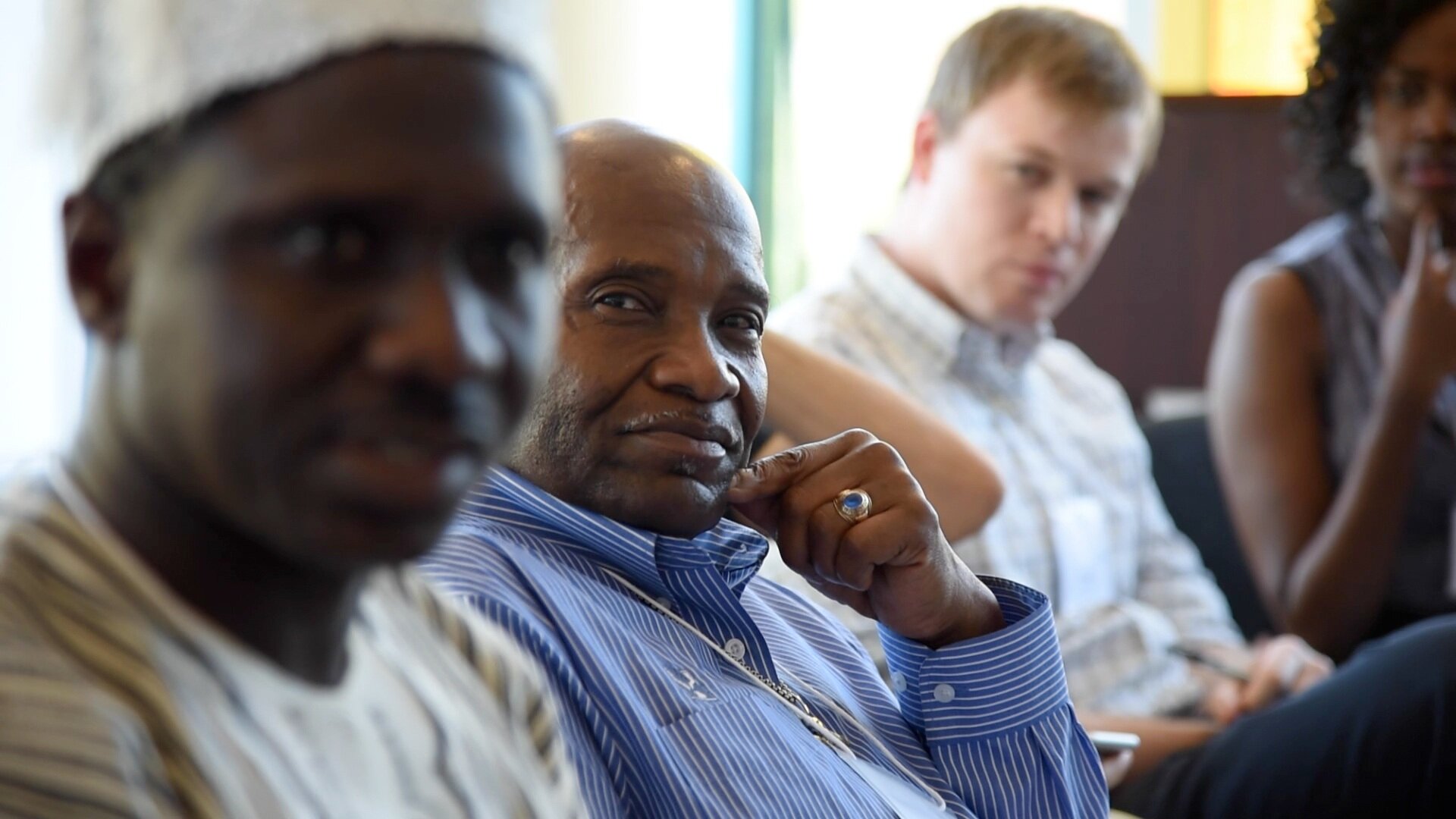


Photos from GBRM Refugee Entrepreneurs Gathering, June 10, 2017.
While this positive image of refugees is still a simplification (as all mental models are), in my experience, it better captures the truth about this remarkable population. If we imagine the ingenuity and grit needed to make a new home, we grow in understanding and respect.

Photo from the 2018 GBRM Fundraiser Party.
Learn More
About the Author

Olivia Blumenshine worked a dual internship at EGC during the summer of 2019, serving both as a writing intern in Applied Research & Consulting and a ministry intern with Greater Boston Refugee Ministry. Originally from Greater Boston, she is a double major in English and Anthropology at Washington University in St. Louis. She loves experimenting with the power of story to connect people across cultures and backgrounds.
![Hidden Treasures: Celebrating Refugee Stories [photojournal]](https://images.squarespace-cdn.com/content/v1/57ff1c7ae58c62d6f84ba841/1512579164575-AKNVCYX4Q5DW8IN2CNYP/P1070998.jpg)


![Saffron: A Refugee Story [VIDEO]](https://images.squarespace-cdn.com/content/v1/57ff1c7ae58c62d6f84ba841/1549999821579-83XWBWFG0C5QT4ARUXM3/Screenshot+2019-02-12+14.30.04.png)

Keywords
- #ChurchToo
- 365 Campaign
- ARC Highlights
- ARC Services
- AbNet
- Abolition Network
- Action Guides
- Activism
- Administration
- Adoption
- Aggressive Procedures
- Andrew Tsou
- Annual Report
- Anti-Gun
- Anti-racism education
- Applied Research
- Applied Research and Consulting
- Asking for help
- Ayn DuVoisin
- Balance
- Battered Women
- Berlin
- Bianca Duemling
- Bias
- Biblical Leadership
- Biblical leadership
- Black Church
- Black Church Vitality Project
- Book Recommendations
- Book Reviews
- Book reviews
- Books
- Boston
- Boston 2030
- Boston Church Directory
- Boston Churches
- Boston Education Collaborative
- Boston General
- Boston Globe
- Boston History
- Boston Islamic Center
- Boston Neighborhoods
- Boston Public Schools
- Boston-Berlin
- Brainstorming
- Brazil
- Brazilian
- COVID-19
- CUME
- Cambodian





Building bridges between the Church & the nations at our doorstep.